

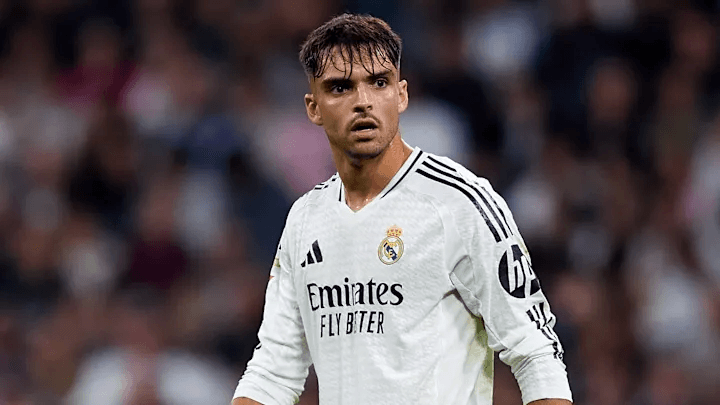
Real Madrid constantly look to secure the future of their most important young talent. The journey from academy to first-team debut is a significant milestone, often followed swiftly by contract discussions. This commitment to an academy gem with a new contract solidifies their long-term value to the club, highlighting the continuous investment in La Fábrica.
The Environment for Emerging Talent
The pathway from youth setup to senior squad remains a critical focus for elite clubs globally. Young players making the leap often face immediate scrutiny and pressure, navigating both on-field expectations and off-field distractions. The demands on emerging professionals are intense, requiring resilience and a mature mindset from an early age.
Not all experiences are smooth, even for highly rated prospects. Ruben Amorim, for example, recently criticized Manchester United academy players Chido Obi and Harry Amass for a “feeling of entitlement” after social media dissent. Amorim stressed the importance of these difficult moments, stating, “Sometimes strong words are not bad words.
Sometimes difficult moments are not a bad thing for the kids,” as ESPN reported. This illustrates the complex psychological landscape youth players must master, a reality that applies equally to those within Real Madrid’s revered academy.
Why Nurturing Youth Matters
For Real Madrid, nurturing and retaining top academy products is vital for club identity and future success. These players understand the club’s philosophy from a young age, often embodying the “Real Madrid DNA.” Their progression offers a cost-effective alternative to expensive transfers, particularly in a landscape where securing top talent from elsewhere can involve exorbitant fees and complex negotiations. Developing talent internally also fosters a stronger connection with the fanbase, who cherish seeing homegrown players excel.
The global market for young talent is highly competitive, with clubs constantly scouting for the next big star. Tylon Smith’s move from Stellenbosch to QPR, for instance, highlights the intense global scouting and development chain in football. Smith, a defender spotted at the Bayhill Premier Cup 2023, secured a professional contract in October 2024.
His former coach, Steve Barker, expressed a bittersweet sentiment about the move, wishing Smith had a season or two with the first team before his QPR transfer, as ESPN Africa reported. This illustrates the delicate balance clubs face in developing and retaining talent versus the lure of bigger opportunities abroad, a challenge Real Madrid also confronts when their prospects draw outside interest.
Ambition and Trajectory
The ambition of these young players is universally high, often targeting top leagues and national team roles. Smith, for example, aims for the Premier League and a starting role for South Africa, crediting hard work and consistency for his coach’s approval. “The coach likes me a lot because I’m working hard every single day,” he told ESPN. This relentless drive defines the next generation of football stars, pushing them through demanding development paths, much like those at Valdebebas.
Perspectives on Player Pathways
Youth development is a journey filled with highs and lows, both for the players and the clubs investing in them. The emotional and strategic implications of a young player’s progression are significant, often involving difficult decisions for all parties.
“We were and are still happy for him; at the same time, we wish he had a season or two with the first team.”
Stellenbosch FC coach Steve Barker said this to ESPN Africa regarding Tylon Smith’s move to QPR. This sentiment reflects the complex emotions involved when young talent departs for bigger opportunities, even for clubs focused on developing their own. For Real Madrid, such dilemmas are routine, as they balance immediate first-team needs with the long-term potential of their youth products. Ensuring a player’s path is clear, whether at the club or elsewhere, becomes a crucial management task.
The Road Ahead for La Fábrica Talent
The long-term trajectory for any young player hinges on consistent performance and adapting to professional demands. For Real Madrid, maintaining a strong pipeline of talent from La Fábrica remains a strategic imperative. This ensures the club can nurture its future stars and integrate them into the senior squad when ready, or make informed decisions about their loan or transfer.
The continuous development of academy players remains central to the future planning of clubs like Real Madrid, ensuring a sustainable source of talent for years to come. This strategy extends to tracking individual player profiles and their progress through various stages of development, a process exemplified by the detailed tracking of promising midfielders like Seina Kashima of Vancouver Rise FC Academy, as ESPN showcases.
For Real Madrid, the commitment to their academy is a never-ending cycle of scouting, developing, and ultimately, integrating the next generation of footballing excellence our analysis on madrid.
 Ishaan Singh
  Baishali Karmakar